Not always. Complete rest can actually make your joints stiffer and your muscles weaker. While some severe injuries require a short break to let tissues rest, we usually prefer to find "active modifications." This means keeping you moving by changing your weights, altering your running distance, or picking alternative exercises that keep you fit without aggravating the healing tissue.
Sports Injury Chiropractor in Fishers, Indiana
Sports Injury Treatment
Sports injuries involve localized muscle strains, tendonitis, or joint limitations that hold back your workouts, athletic performance, or weekly training routines.
What Is It?
Sports Injuries
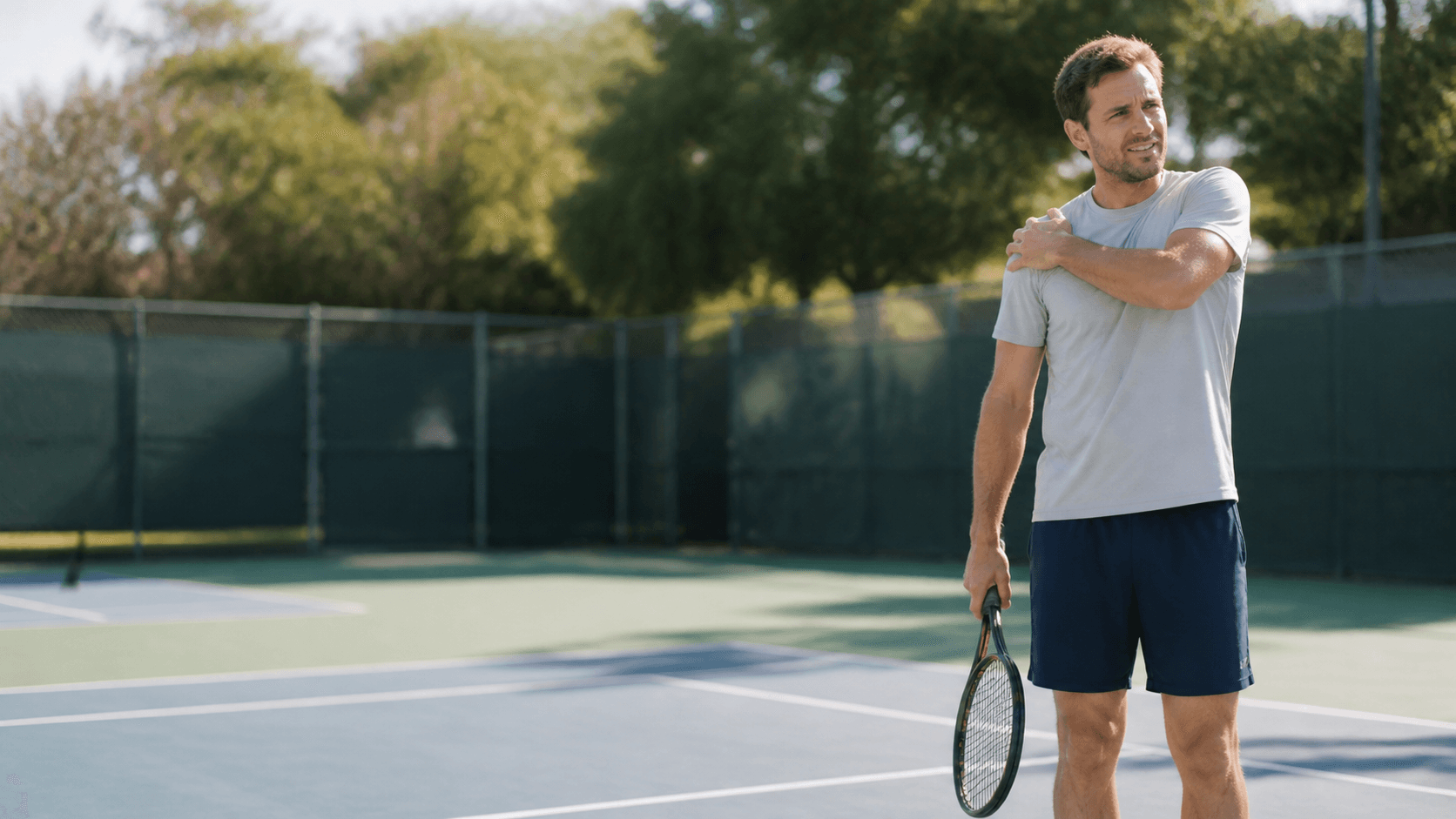
Sports injuries can be deeply frustrating, whether you're training for a 5K, competing in CrossFit, playing pickleball, golfing on the weekends, or helping coach your child's team. A pulled muscle can keep you from hitting your gym goals, shin splints can ruin your morning run, or nagging shoulder pain can make it uncomfortable to throw or lift weights. These injuries often develop after increasing training too quickly, repeating the same movement over and over, or pushing harder than your body was prepared to handle. At Back to Balance Chiropractic & Wellness, we look closely at how your full body moves to figure out why specific muscles or joints are taking on too much stress, helping you recover confidently, build real strength, and return to the activities you enjoy.
Symptoms
Common Symptoms of Sports Injuries
Athletic injuries and workout setbacks usually show up during specific movements or hours after a hard training session. Common signs include:
01
Sharp or aching pain that flares up during a workout or stays sore long after activity
02
Persistent joint swelling, tight muscles, or a noticeable loss of normal flexibility
03
A pulled muscle sensation, deep cramping, or sudden tenderness when you press on an area
04
A clicking, catching, or pinching sensation during certain movements
05
Nagging achiness along the shins (commonly known as shin splints) or around your kneecaps and heels
06
Feeling weak, unstable, or noticing your performance drop because an area doesn't feel reliable.
Return to Activity
Sports injury care built around how you move.
We evaluate how your muscles, joints, and coordination handle physical stress. Instead of just treating where it hurts, we look at your full movement habits to fix the weak links keeping you sidelined.
- Movement assessment built around your specific sport or gym routine
- Care focused on calming irritated tissues and building workload tolerance
- Staged recovery plans designed to get you back to working out safely
Common Causes
Common Sports Injuries We See
Workout injuries and performance limitations usually stem from sudden changes in activity volume or hidden muscle imbalances. Common examples include:
Muscle strains (like a pulled hamstring, calf, or back muscle) from sudden acceleration or lifting
Tendonitis and repetitive overuse issues, including tennis elbow, golfer's elbow, or Achilles pains
Shoulder issues, such as a rotator cuff strain or throwing irritation from poor shoulder blade control
Knee and hip restrictions that alter your stride and lead to runner's knee or IT band stiffness
Shin splints and foot fatigue caused by running on hard surfaces or wearing unsupportive shoes
Sudden twisting, awkward landings, collisions, or repeated training with poor recovery
When To Seek Care
When to Seek Care
A sports injury evaluation is highly beneficial if:
Nagging pain is explicitly limiting your workouts, training sessions, or weekly games
Symptoms consistently disappear with temporary rest but flare up the moment you start working out again
You observe visible joint swelling, localized weakness, or find yourself limping or changing your posture
You feel stuck using ice, heat, or braces and want a long-term plan to fix the root issue
You want professional, structured guidance on a safer, faster return to your normal training baseline
How Care Helps
Treatment May Include
At Back to Balance Chiropractic & Wellness, care is personalized based on your specific sport, training volume, and movement findings. Your individualized care plan may include:
The goal is to reduce your immediate discomfort, improve your movement quality, and build the physical strength needed for long-term activity.
01
Chiropractic adjustments when clinically appropriate to restore healthy joint mobility in the spine or extremities
02
Soft tissue therapy to relax tight muscles, address guarding, and improve overall flexibility
03
Dry needling when clinically appropriate to target stubborn trigger points and speed up tissue healing
04
Corrective exercise and functional rehabilitation to build targeted strength and durability
05
Movement assessment to check your mechanics during daily exercises or sport-specific patterns
06
Actionable training modifications so you can keep staying active while your injury finishes healing
FAQ
Questions About Sports Injuries
Answers to a few of the most common questions patients may have before getting started.
Related Care
Explore connected services and conditions
Learn how related symptoms, movement patterns, and treatment options may fit into a broader care plan.
Related Services


Related Conditions




Ready to return to your workouts with a better plan?
Do not let a pulled muscle, shin splints, or persistent joint pain keep you on the sidelines. Schedule a thorough consultation in Fishers today to look at your movement patterns and start a practical plan for recovery.