

Degenerative joint changes cannot be reversed, but conservative care may help improve mobility, reduce stress on affected joints, and support better function.
Degenerative Joint Disease Treatment in Fishers, Indiana
Degenerative Joint Disease Treatment
Degenerative joint disease is a gradual joint change that may contribute to stiffness, pain with movement, swelling, reduced range of motion, or grinding sensations.
What Is It?
Degenerative Joint Disease
Degenerative Joint Disease (DJD), often referred to as osteoarthritis, occurs when cartilage within a joint gradually wears down over time. This can lead to stiffness, discomfort, and reduced mobility in the affected joint.
Symptoms
Common Symptoms of Degenerative Joint Disease
Symptoms often develop gradually and may become more noticeable with age, repetitive joint stress, or changes in activity. Common symptoms may include:
01
Joint stiffness, especially in the morning
02
Pain with movement or activity
03
Reduced range of motion
04
Swelling or joint tenderness
05
Grinding or clicking sensations
06
Difficulty with repeated use of the affected joint
Joint Mobility
DJD care focused on function and long-term joint support.
While degenerative changes cannot be reversed, treatment may help improve joint function, reduce stress on affected structures, and support more comfortable movement.
- Joint mobility and movement assessment
- Care focused on function, strength, and load management
- Plans designed to help patients stay active
Common Causes
Common Areas Affected
Degenerative joint changes can occur in several areas of the body, including:
Spine, including the neck and low back
Knees
Hips
Shoulders
Hands
Joints exposed to repetitive stress or prior injury
When To Seek Care
When to Seek Care
An evaluation may be helpful if:
Joint stiffness or arthritis-related pain is affecting daily activities
Movement feels limited or less reliable
Symptoms are worse with activity or after rest
You want to improve mobility and strength around affected joints
You want a conservative plan for long-term joint function
How Care Helps
How Chiropractic Care May Help
At Back to Balance Chiropractic & Wellness, treatment focuses on improving joint mobility, reducing stress on affected joints, and restoring movement to help patients stay active. Your care plan may include:
These treatments aim to improve mobility, support strength around affected joints, and help manage day-to-day discomfort more effectively.
01
Chiropractic adjustments when appropriate
02
Soft tissue therapy
03
Corrective exercise and rehabilitation
04
Movement assessment
05
Spinal decompression when appropriate
06
Activity and load management recommendations
FAQ
Questions About Degenerative Joint Disease
Answers to a few of the most common questions patients may have before getting started.
Related Care
Explore connected services and conditions
Learn how related symptoms, movement patterns, and treatment options may fit into a broader care plan.
Related Services

Foundational Care
Chiropractic
Precise care designed to improve joint motion and support comfortable movement.
Explore service
Active Movement & Strength
Functional Rehabilitation
Targeted exercises designed to restore strength, stability, and movement.
Explore service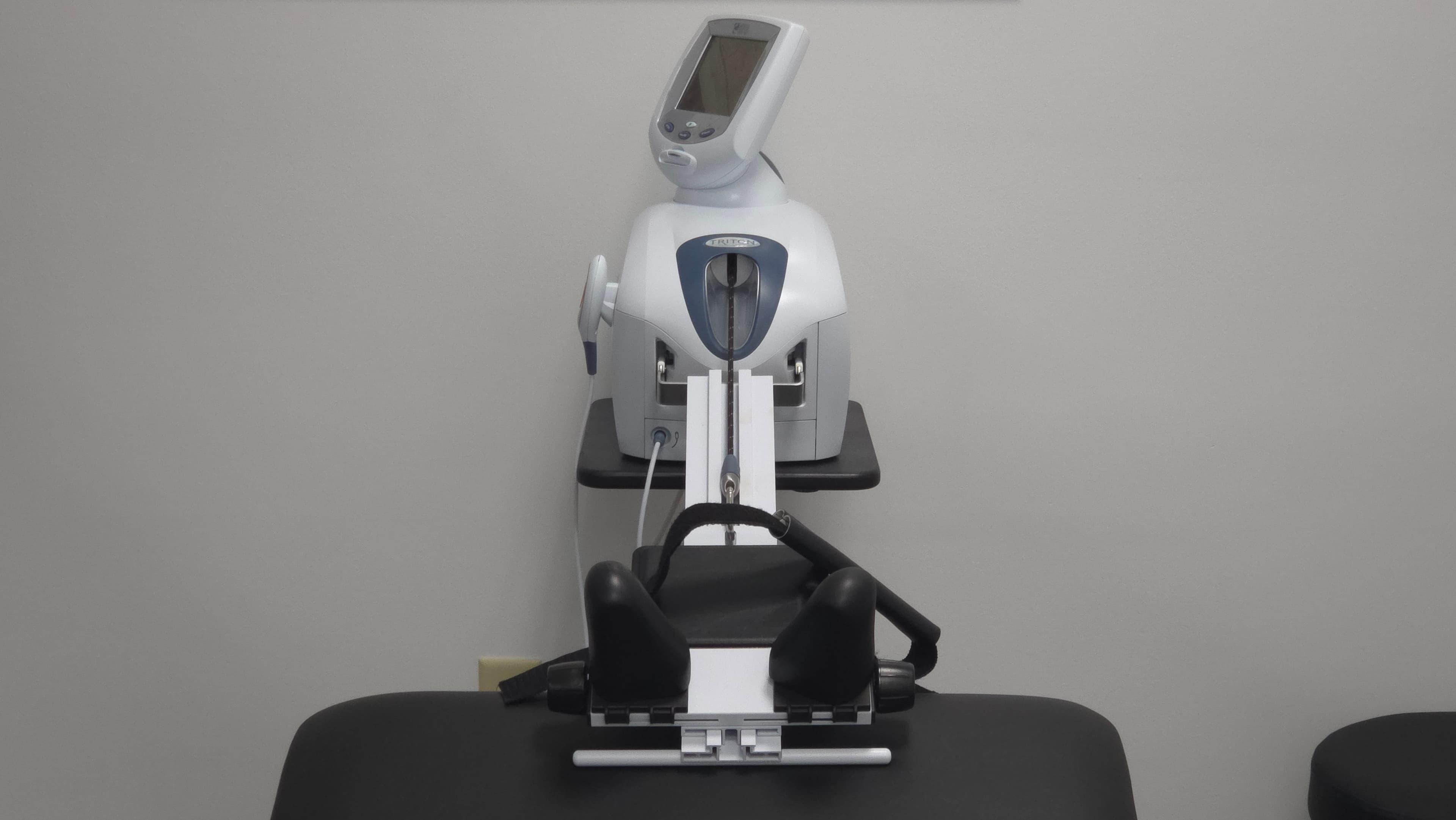
Non-Surgical Traction
Decompression
Non-surgical spinal decompression that relieves pressure on discs and nerves.
Explore serviceRelated Conditions



Ready to improve joint mobility and function?
Schedule a consultation to evaluate stiffness, movement patterns, and conservative options for supporting long-term joint health.