







Foundational Care
Chiropractic
Precise care designed to improve joint motion and support comfortable movement.
Explore Service
A non-surgical therapy designed to gently reduce pressure on spinal discs and irritated nerves.
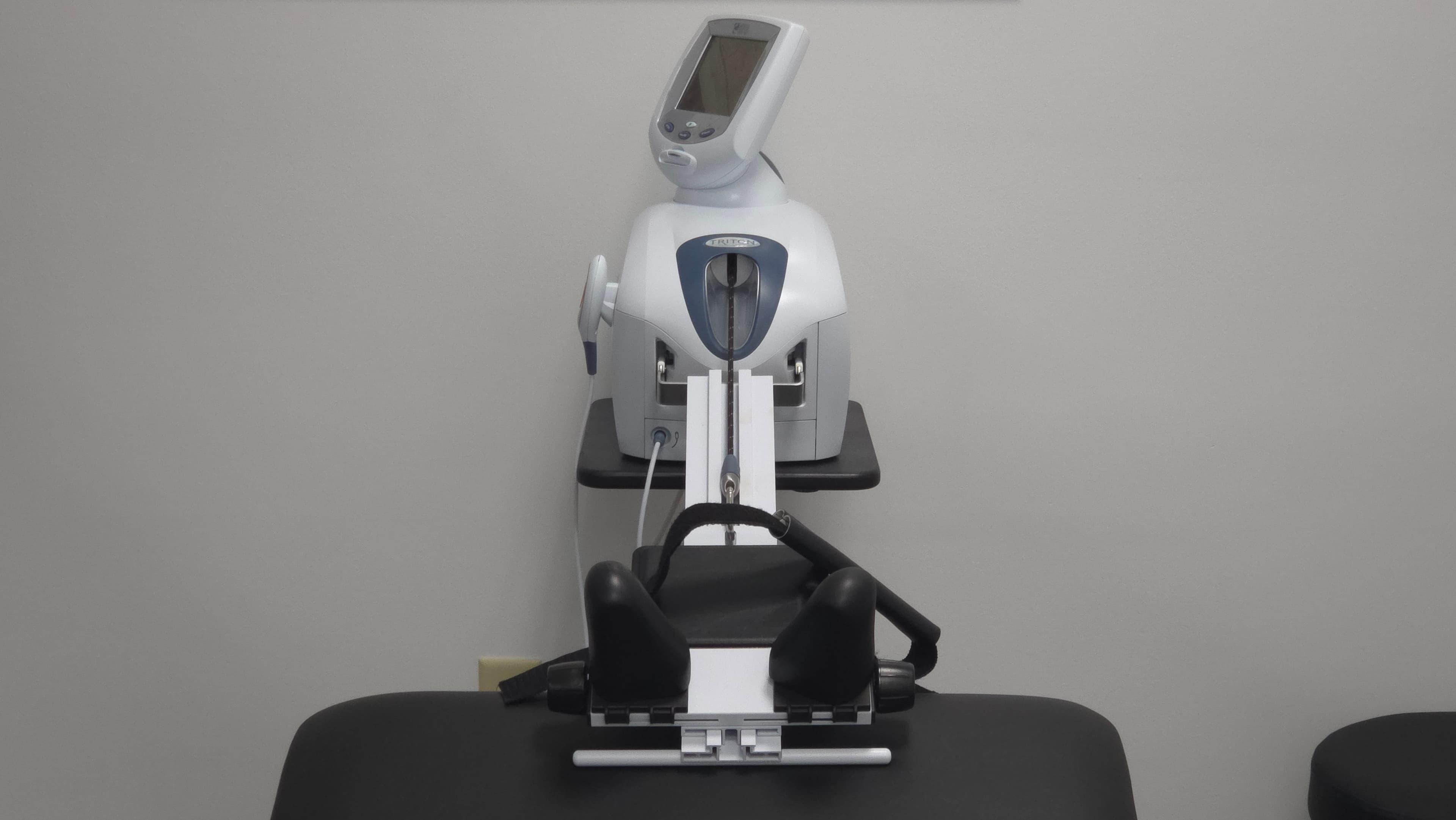
Spinal decompression therapy uses controlled traction with specialized equipment to help reduce disc compression, improve movement tolerance, and support recovery in patients with appropriate clinical findings.
Spinal decompression is a table-based therapy that applies gentle, controlled traction to the spine. The goal is to reduce mechanical pressure around irritated discs, joints, and nerves while helping the surrounding tissues relax. This service is not a replacement for a thorough diagnosis. It is recommended only when your history, symptoms, and exam suggest decompression may be an appropriate part of your care plan.
Decompression can help calm mechanical irritation, but long-term improvement often also depends on movement quality, strength, posture, and daily habits. That is why decompression is often paired with active care and education.
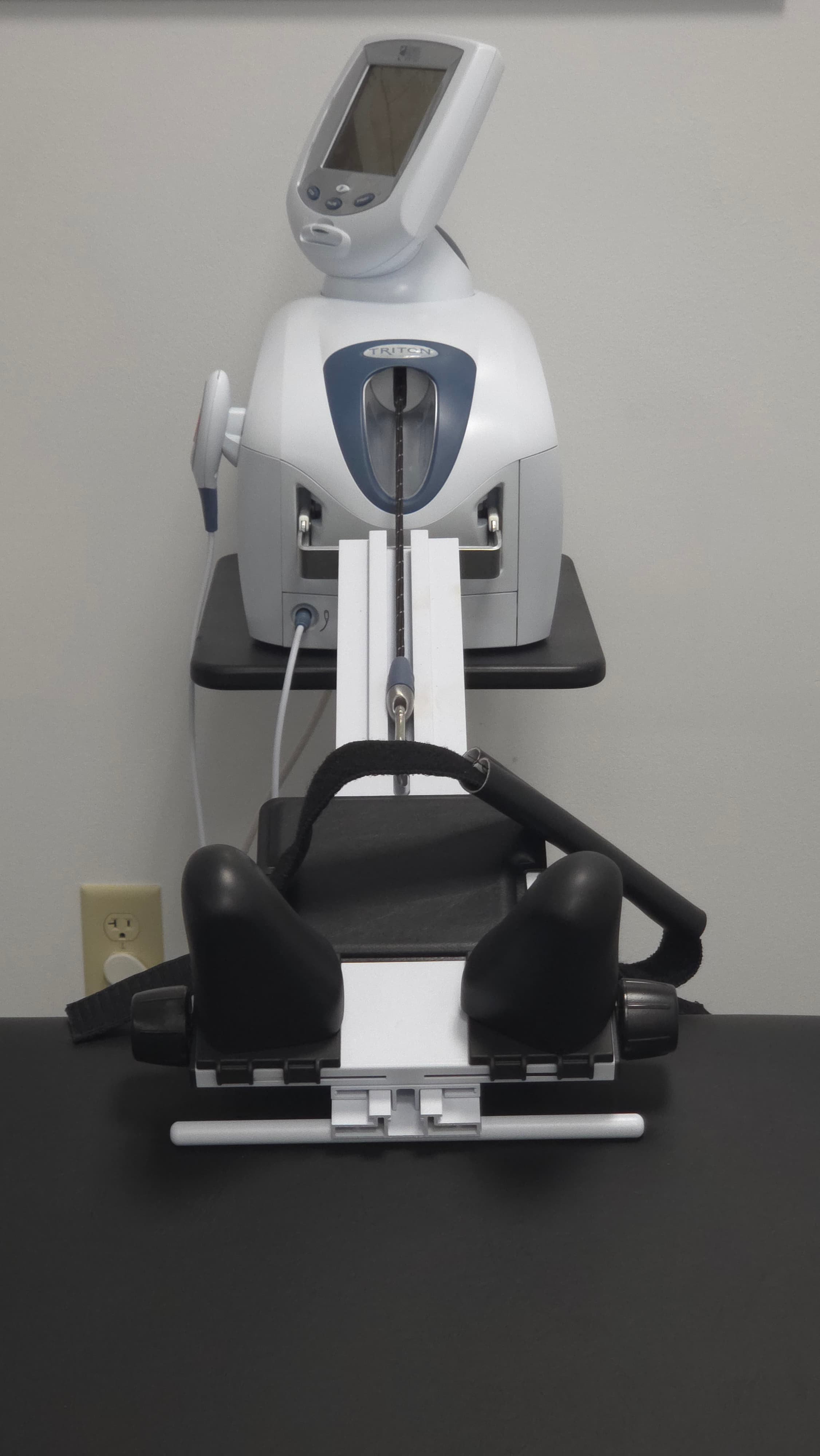
Non-invasive spinal traction designed to relieve disc pressure and nerve irritation.
Every care plan is personalized. Below are common concerns and candidate profiles where this therapy is frequently integrated.
Individuals with herniated or bulging discs
Those suffering from chronic back or neck pain
Patients with sciatica or radiating nerve pain
People looking for non-surgical spinal care
We structure each visit to be transparent, comfortable, and focused on helping you understand your body and progress.
We review your symptoms, health history, and exam findings to determine whether decompression is appropriate.
You are comfortably positioned on the decompression table based on the area being treated.
The table applies a gentle traction pattern designed to reduce pressure while keeping you relaxed.
Decompression is paired with guidance, movement strategies, or other therapies when needed.
Have additional questions? Dr. Jessica will review all details and address any concerns during your initial evaluation.
Most patients find spinal decompression comfortable and relaxing. If symptoms increase during treatment, the session can be modified or stopped.
Explore complementary modalities that Dr. Jessica integrates into customized, whole-body care plans.
Precise care designed to improve joint motion and support comfortable movement.

Targeted exercises designed to restore strength, stability, and movement.

Supportive taping technique that stabilizes muscles and joints during healing.

Schedule an appointment and discover which treatment approach is right for you.