

Spinal stenosis involves structural narrowing that typically cannot be reversed with conservative care. However, symptoms may often be managed by improving mobility, reducing mechanical stress, and supporting the surrounding muscles and joints.
Spinal Stenosis Treatment in Fishers, Indiana
Spinal Stenosis Treatment
Spinal stenosis is a narrowing of the spaces within the spine that may irritate nerve pathways and contribute to back pain, neck pain, radiating symptoms, leg heaviness, or discomfort with standing and walking.
What Is It?
Spinal Stenosis
Spinal stenosis occurs when the spaces within the spine become narrowed, which may place pressure on the spinal cord or nearby nerves. This condition most commonly affects the lower back or neck and can contribute to pain, stiffness, numbness, tingling, weakness, or difficulty standing and walking comfortably. At Back to Balance Chiropractic & Wellness, we help patients throughout Fishers, Indiana and surrounding communities better understand and manage spinal stenosis through conservative, movement-focused care.
Symptoms
Common Symptoms of Spinal Stenosis
Symptoms of spinal stenosis often develop gradually and may change depending on posture, activity, or how long you have been standing or walking. Common symptoms may include:
01
Low back or neck stiffness
02
Radiating pain, numbness, tingling, or weakness in the arms or legs
03
Leg heaviness, cramping, or fatigue with walking or standing
04
Relief when sitting, leaning forward, or bending at the waist
05
Difficulty standing upright comfortably for long periods
06
Reduced walking tolerance
07
Balance changes or reduced coordination over time
Spinal Mobility
Conservative care focused on mobility, nerve pressure, and walking tolerance.
While structural narrowing may not be reversed with conservative care, treatment may help reduce irritation around sensitive nerve pathways, improve spinal mechanics, and support more comfortable movement.
- Spinal mobility, posture, and nerve function assessment
- Care focused on decompression, strength, and mechanical unloading
- Strategies to improve comfort with standing, walking, and daily activity
Common Causes
Common Areas Affected
Spinal stenosis can occur in different areas of the spine, but it most commonly affects regions that experience repetitive movement, posture stress, arthritis, disc changes, or age-related joint changes. Common areas include:
Lumbar spine, or lower back
Cervical spine, or neck
Central spinal canal, where the spinal cord or nerve pathways travel
Neural foramina, where individual nerve roots exit the spine
Areas affected by arthritis, disc changes, bone spurs, or thickened ligaments
When To Seek Care
When to Seek Care
An evaluation may be helpful if:
Walking or standing triggers leg heaviness, cramping, numbness, or weakness
You feel better when sitting, bending forward, or leaning on a shopping cart
Back or neck stiffness is limiting your daily activities
Radiating symptoms are affecting your arms, legs, hands, or feet
You want to improve mobility, strength, and walking tolerance
You are looking for conservative options before considering more invasive care
How Care Helps
How Chiropractic Care & Decompression May Help
At Back to Balance Chiropractic & Wellness in Fishers, Indiana, care is focused on improving spinal mobility, reducing mechanical stress, and helping patients remain active despite spinal stenosis. Your individualized treatment plan may include:
The goal of care is to reduce mechanical irritation, improve spinal mobility, build strength and stability, and help you maintain your independence and activity level.
01
Spinal decompression therapy when appropriate
02
Chiropractic adjustments tailored to improve joint mobility
03
Flexion-distraction or other gentle motion-based therapies
04
Soft tissue therapy
05
Core stabilization and functional rehabilitation
06
Postural training and body mechanics education
07
Activity modification and conservative symptom management strategies
FAQ
Questions About Spinal Stenosis
Answers to a few of the most common questions patients may have before getting started.
Related Care
Explore connected services and conditions
Learn how related symptoms, movement patterns, and treatment options may fit into a broader care plan.
Related Services

Foundational Care
Chiropractic
Precise care designed to improve joint motion and support comfortable movement.
Explore service
Active Movement & Strength
Functional Rehabilitation
Targeted exercises designed to restore strength, stability, and movement.
Explore service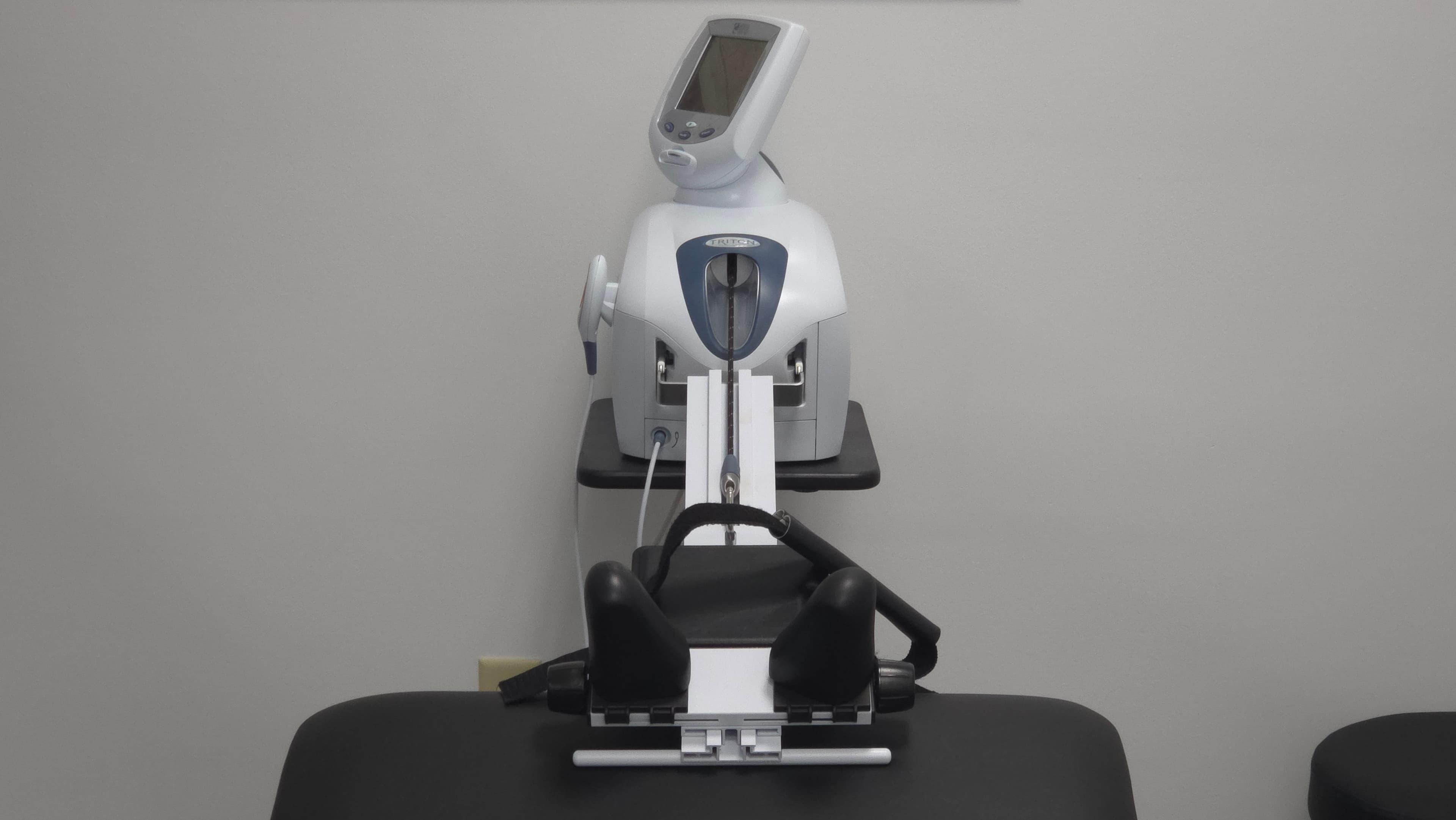
Non-Surgical Traction
Decompression
Non-surgical spinal decompression that relieves pressure on discs and nerves.
Explore serviceRelated Conditions



Ready to stand and walk with greater comfort?
Schedule a consultation at Back to Balance Chiropractic & Wellness in Fishers, Indiana to evaluate your symptoms, movement patterns, and conservative treatment options for spinal stenosis.