

A bulging disc protrudes outward while the outer layer remains intact. A herniated disc occurs when inner disc material pushes through the outer layer and may irritate nearby nerves.
Herniated Disc & Bulging Disc Treatment in Fishers, Indiana
Herniated Disc & Bulging Disc Treatment
A bulging or herniated disc can place stress on nearby nerves and may contribute to pain, numbness, tingling, weakness, or reduced mobility.
What Is It?
Herniated Disc & Bulging Disc
Disc injuries such as bulging discs and herniated discs can cause significant back pain, neck pain, stiffness, and nerve irritation. These issues occur when spinal discs become irritated, compressed, or damaged and begin to affect nearby structures.
Symptoms
Common Symptoms of Herniated Disc & Bulging Disc
Disc-related symptoms depend on the location and severity of irritation. Symptoms may include:
01
Low back or neck pain
02
Pain radiating into the arms or legs (sciatica)
03
Numbness or tingling
04
Muscle weakness
05
Stiffness or reduced mobility
06
Pain that worsens with sitting, bending, coughing, or lifting
Spine & Nerve Function
Disc care focused on reducing irritation and improving movement.
Treatment focuses on reducing pressure on irritated spinal structures, improving movement, and building better stability around the affected area.
- Spine, nerve, and movement evaluation
- Conservative, non-surgical care options
- Plans focused on mobility, stability, and daily function
Common Causes
Understanding Disc Conditions
Disc symptoms can come from different types of disc irritation. Common disc-related conditions include:
Bulging discs, where the outer portion of the disc protrudes outward but remains intact
Herniated discs, where inner disc material pushes through the outer layer
Degenerative disc changes that reduce disc hydration and flexibility over time
Repetitive bending, lifting, or twisting
Prolonged sitting or poor load tolerance
Sudden injury or trauma
When To Seek Care
When to Seek Care
An evaluation is especially important if:
Pain radiates into an arm or leg
You notice numbness, tingling, or weakness
Symptoms worsen with sitting, bending, lifting, or coughing
Pain is limiting work, sleep, walking, or daily movement
You want to understand whether decompression or conservative care may be appropriate
How Care Helps
How Chiropractic Care May Help
At Back to Balance Chiropractic & Wellness, treatment focuses on improving spinal movement and reducing stress on the affected disc. Your individualized treatment plan may include:
These therapies aim to reduce pressure on spinal structures while improving stability, mobility, and tolerance for daily movement.
01
Chiropractic adjustments when clinically appropriate
02
Spinal decompression therapy to gently relieve nerve compression
03
Soft tissue therapy
04
Corrective exercise and rehabilitation
05
Movement and structural assessment
06
Activity and positioning recommendations
FAQ
Questions About Herniated Disc & Bulging Disc
Answers to a few of the most common questions patients may have before getting started.
Related Care
Explore connected services and conditions
Learn how related symptoms, movement patterns, and treatment options may fit into a broader care plan.
Related Services

Foundational Care
Chiropractic
Precise care designed to improve joint motion and support comfortable movement.
Explore service
Active Movement & Strength
Functional Rehabilitation
Targeted exercises designed to restore strength, stability, and movement.
Explore service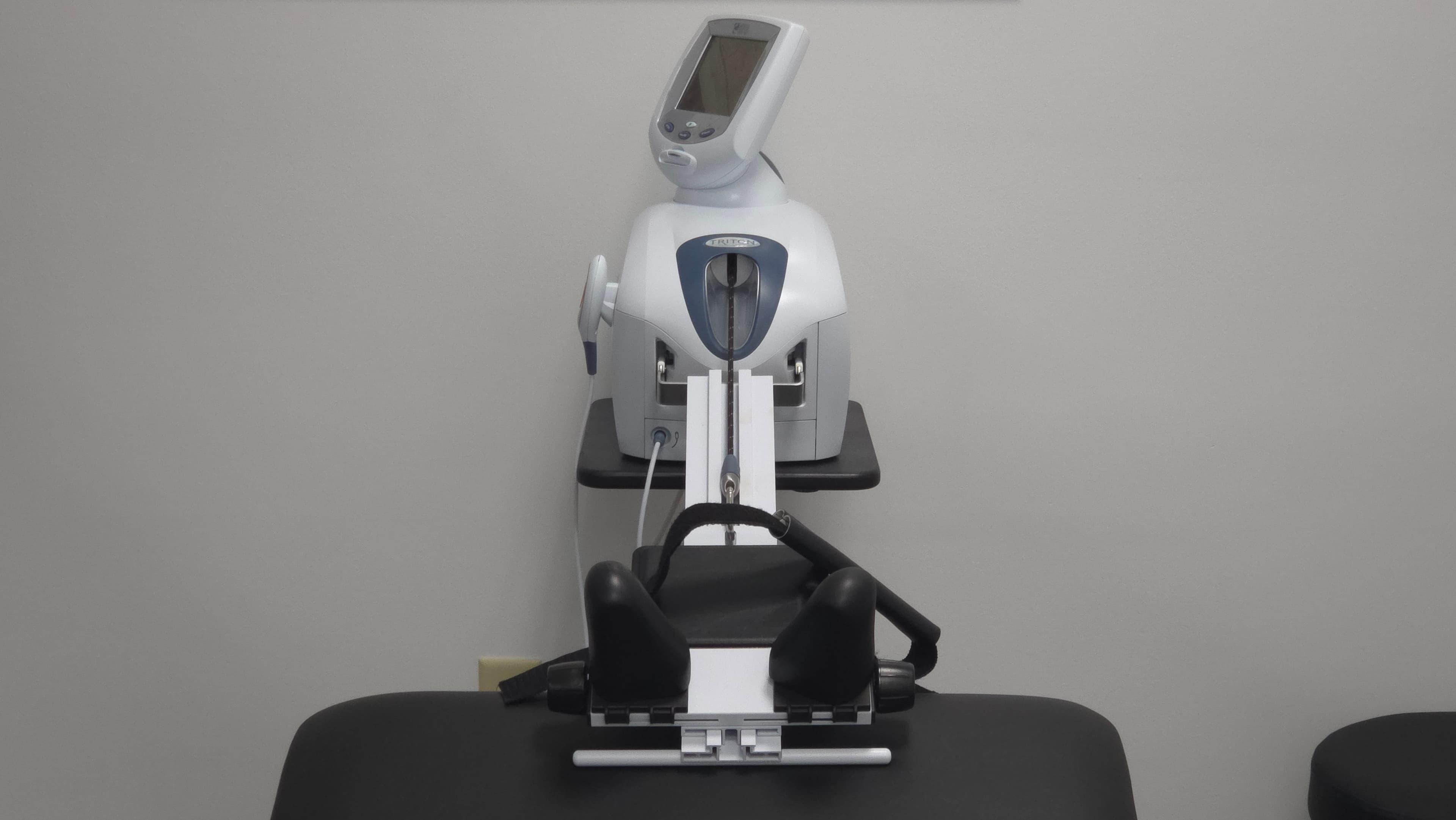
Non-Surgical Traction
Decompression
Non-surgical spinal decompression that relieves pressure on discs and nerves.
Explore serviceRelated Conditions



Ready to evaluate disc-related symptoms?
Schedule a consultation to understand what may be irritating your spine or nerves and discuss conservative care options.