









Foundational Care
Chiropractic
Precise care designed to improve joint motion and support comfortable movement.
Explore Service
Targeted muscle therapy designed to reduce trigger-point irritation and improve movement.
Dry needling is a technique used to relieve muscle tension, reduce pain, and restore normal movement. At Back to Balance Chiropractic & Wellness, dry needling is often combined with chiropractic care and movement-based rehabilitation to address the underlying factors contributing to pain.
Dry needling uses very thin, solid needles inserted into tight or irritated muscle tissue. The goal is to help release trigger points, reduce muscle guarding, and improve the way muscles activate during movement. Dry needling is different from acupuncture. It is based on musculoskeletal assessment and is commonly used for myofascial pain, overuse issues, sports injuries, and areas of persistent tightness that have not responded fully to stretching or massage alone.
Dry needling may help reduce muscle guarding so movement becomes easier, but lasting improvement often requires strengthening, mobility, and better movement patterns. Combining therapies helps connect symptom relief with functional change.
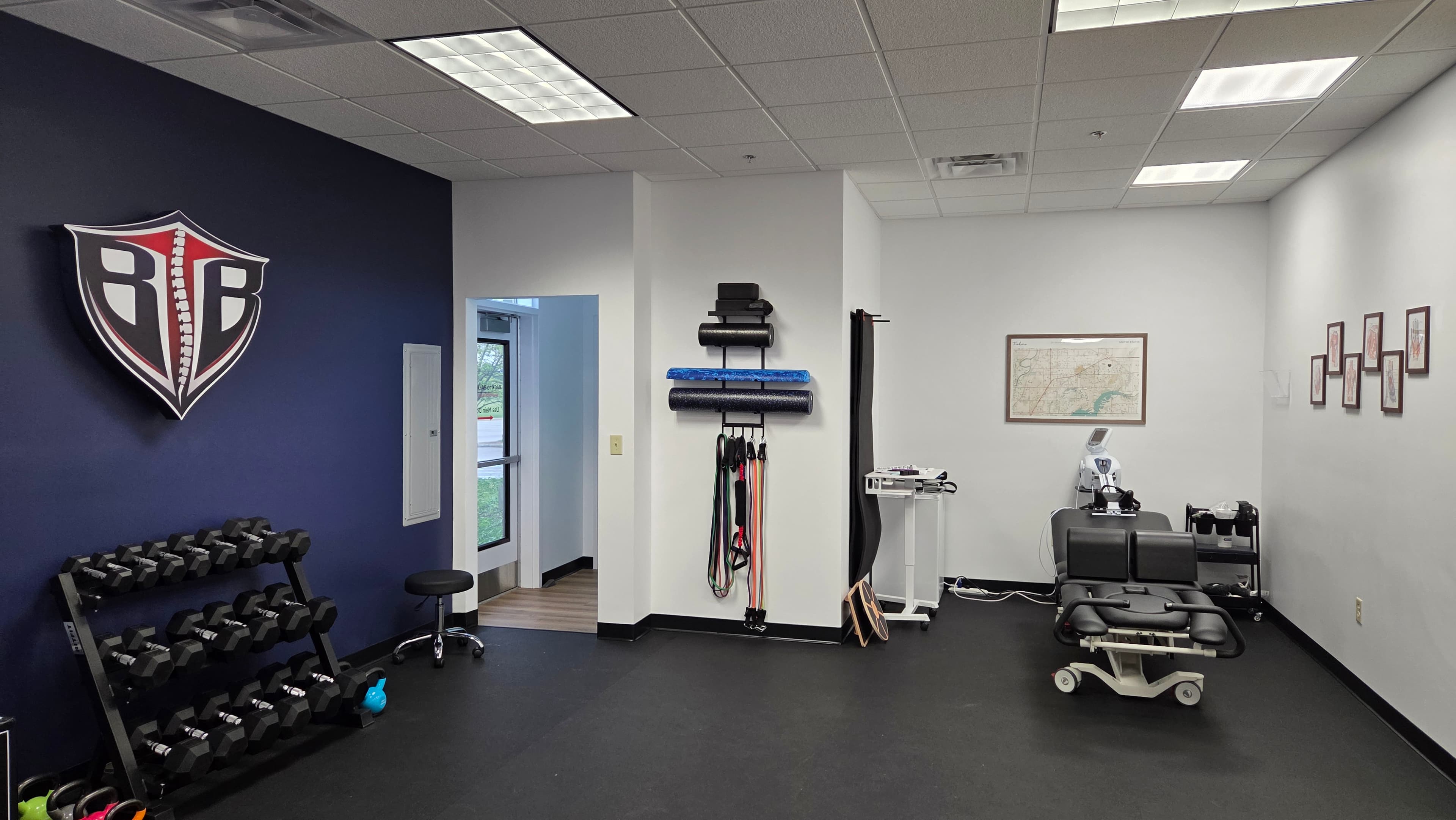
Targeted trigger-point needling to release stubborn knots and reset neuromuscular pathways.
Every care plan is personalized. Below are common concerns and candidate profiles where this therapy is frequently integrated.
Athletes with tight or overworked muscles
Individuals with chronic tension headaches
Anyone dealing with stubborn trigger points
Patients with restricted movement due to muscle stiffness
We structure each visit to be transparent, comfortable, and focused on helping you understand your body and progress.
We identify involved muscles, movement restrictions, and trigger-point patterns related to your symptoms.
We explain what areas may be treated, what dry needling may feel like, and how it fits into your broader plan.
Very thin needles are placed into targeted muscles for a short period, with technique adjusted to your comfort.
Treatment is often followed by mobility work, activation drills, or other care to reinforce better function.
Have additional questions? Dr. Jessica will review all details and address any concerns during your initial evaluation.
Most patients feel minimal discomfort. You may feel a quick twitch, ache, or mild pressure when the needle reaches a trigger point.
Explore complementary modalities that Dr. Jessica integrates into customized, whole-body care plans.
Precise care designed to improve joint motion and support comfortable movement.

Targeted exercises designed to restore strength, stability, and movement.
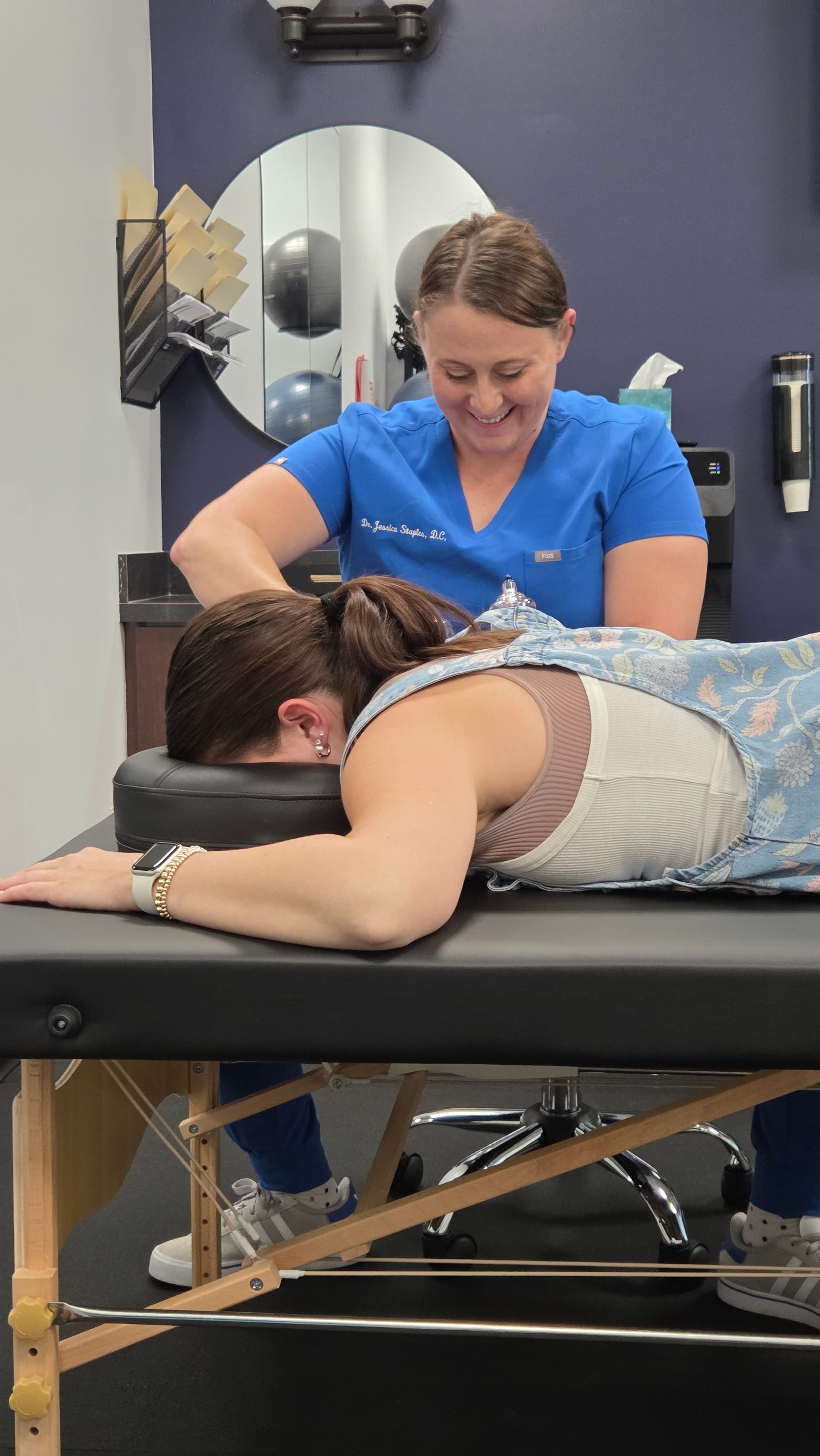
Suction-based therapy that may support circulation and reduce muscle tightness.

Instrument-assisted soft tissue therapy to improve mobility and healing.

Schedule an appointment and discover which treatment approach is right for you.