

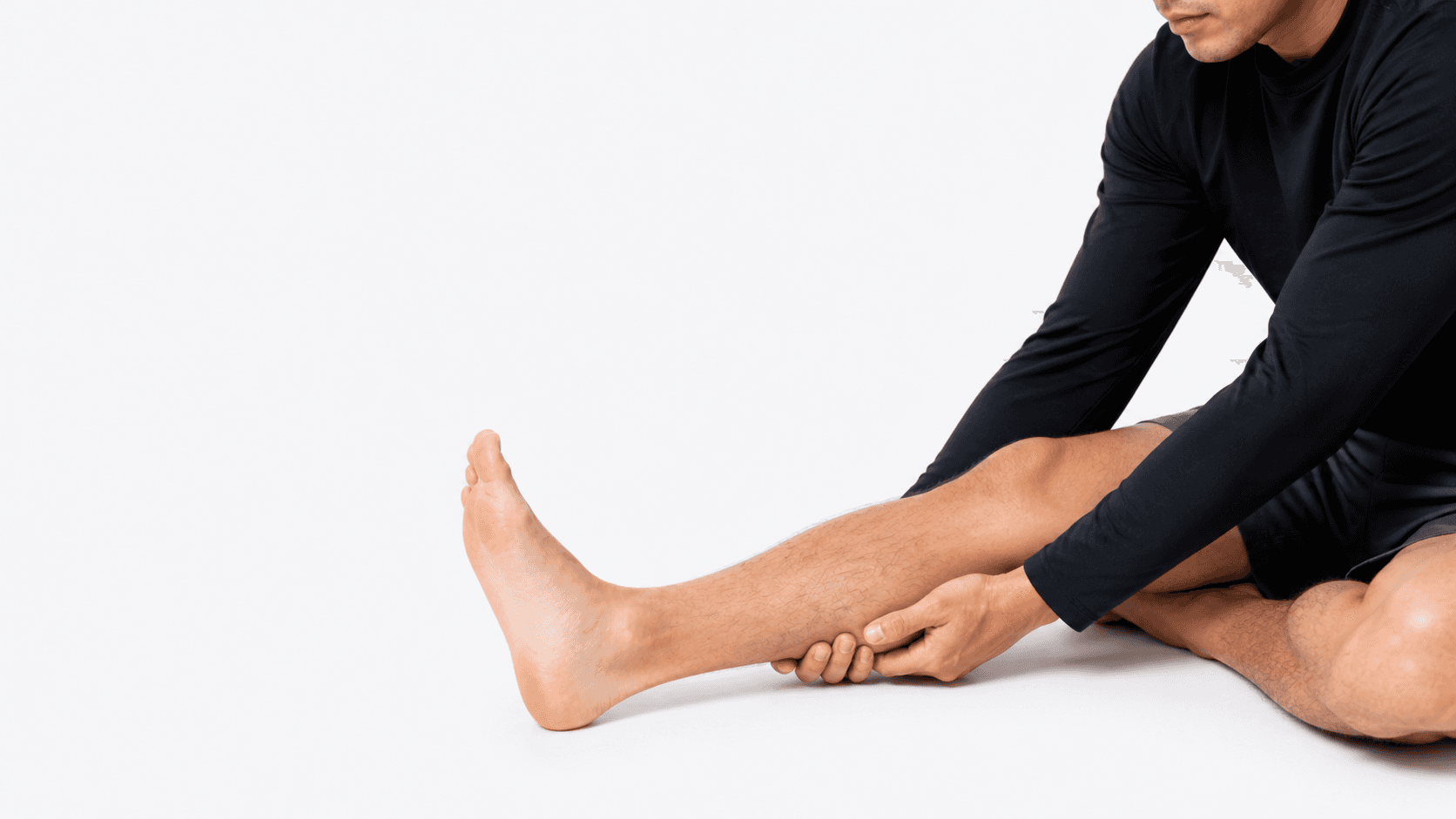






Foundational Care
Chiropractic
Precise care designed to improve joint motion and support comfortable movement.
Explore Service
Instrument-assisted soft tissue therapy for areas of stiffness, scar tissue, and restricted movement.
Graston Technique is an instrument-assisted soft tissue therapy designed to reduce muscle tightness, improve mobility, and support injury recovery. It uses specialized stainless-steel instruments to assess and treat areas of soft tissue restriction.
Graston Technique is a form of instrument-assisted soft tissue mobilization. The clinician uses smooth-edged tools over muscles, tendons, ligaments, or fascia to identify areas that feel restricted and apply controlled treatment to those tissues. The goal is to improve tissue mobility, reduce sensitivity, and help the area tolerate better movement. It is often used for repetitive strain, tendon irritation, scar tissue, and stiffness that limits normal function.
Soft tissue therapy may help improve mobility and reduce tension, while rehabilitation helps the body use that mobility with better control. Pairing both can support more durable progress.
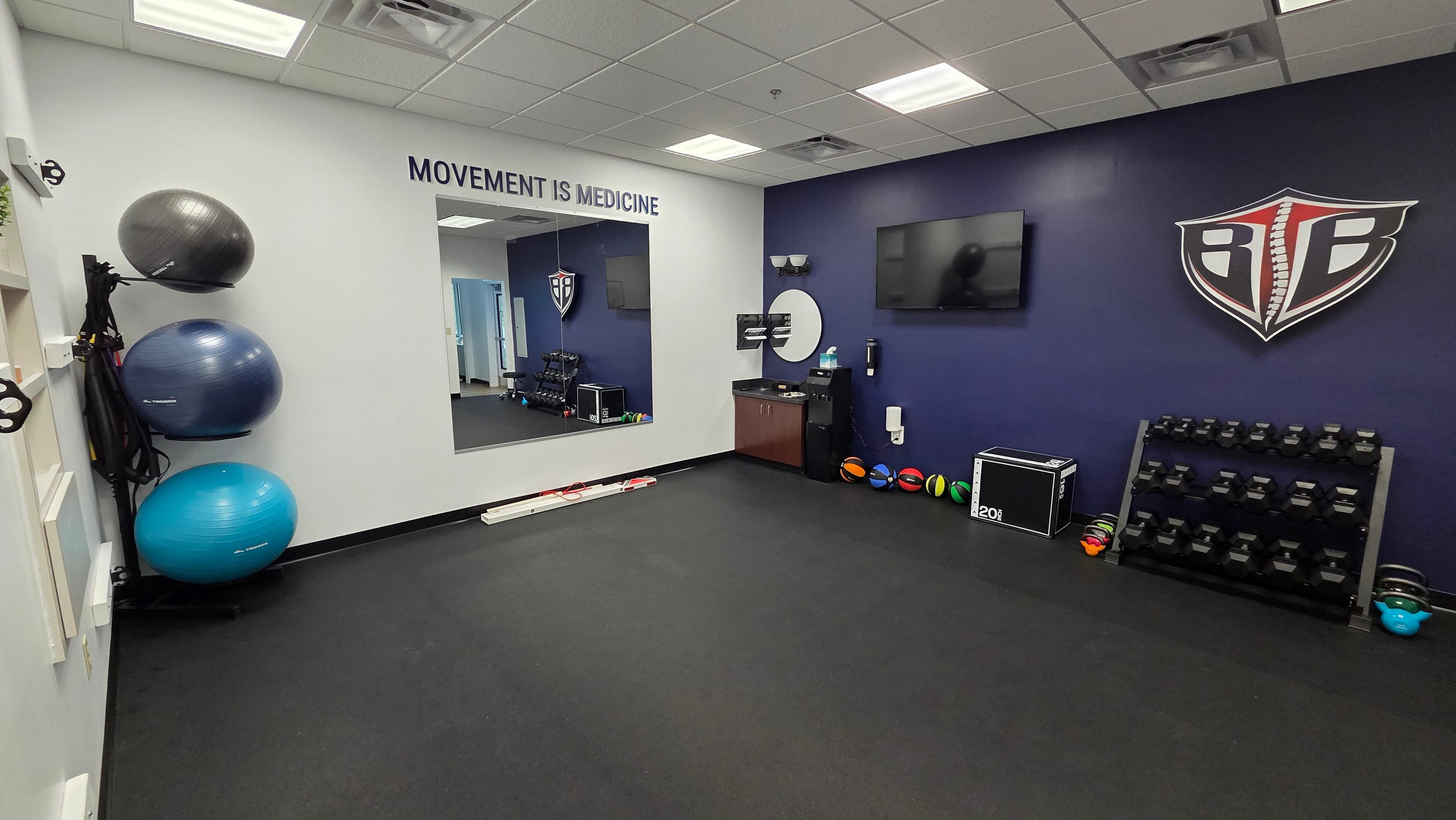
IASTM instruments to address scar tissue, restricted fascia, and chronic muscle tightness.
Every care plan is personalized. Below are common concerns and candidate profiles where this therapy is frequently integrated.
Patients with chronic tendon irritation
Individuals recovering from surgery or trauma
Athletes with repetitive strain injuries
Anyone dealing with stiff or restricted soft tissue
We structure each visit to be transparent, comfortable, and focused on helping you understand your body and progress.
We evaluate painful or restricted tissue and how it affects your movement.
Specialized instruments are used with controlled pressure over the involved tissue.
We often pair treatment with stretching, mobility drills, or activation work.
Your response guides how often the technique is used and when care progresses.
Have additional questions? Dr. Jessica will review all details and address any concerns during your initial evaluation.
Most patients feel mild pressure or a scraping sensation during treatment. Some temporary redness or mild soreness afterward is normal and usually resolves quickly.
Explore complementary modalities that Dr. Jessica integrates into customized, whole-body care plans.
Precise care designed to improve joint motion and support comfortable movement.

Targeted exercises designed to restore strength, stability, and movement.
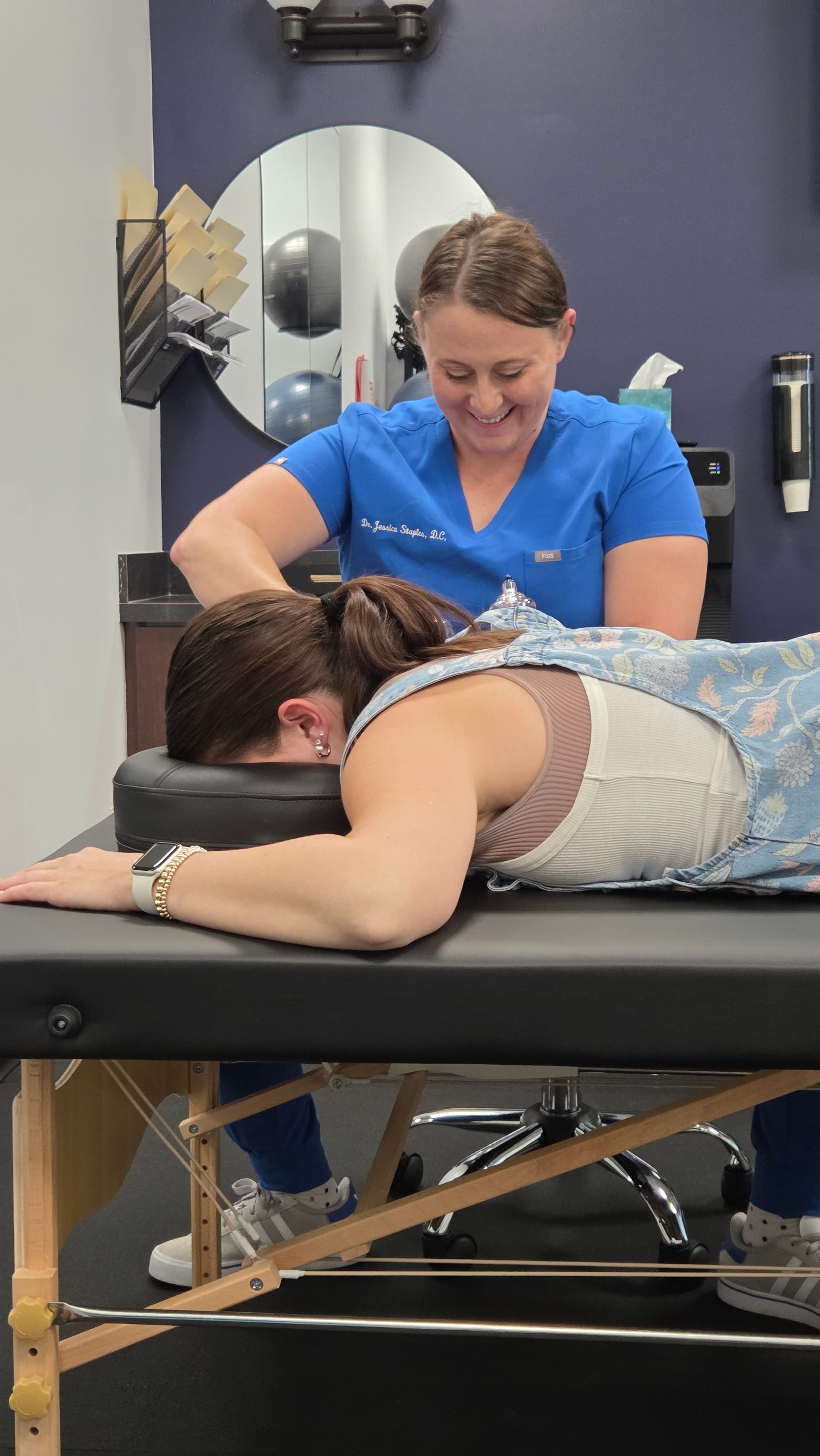
Suction-based therapy that may support circulation and reduce muscle tightness.

Precision treatment that releases muscle tension and trigger points.

Schedule an appointment and discover which treatment approach is right for you.