

Not necessarily. While severe, long-term systemic nerve damage can be permanent, many people suffer from what behaves like neuropathy but is actually a nerve that is simply pinched, compressed, or starved of healthy blood flow by surrounding structures. When we clear joint restrictions in the spine, reduce heavy muscle tension, or use spinal decompression to open up joint spaces, the irritated nerve can quiet down, allowing normal feeling to return.
Neuropathy Treatment in Fishers, Indiana
Neuropathy Treatment
Neuropathy involves nerve irritation or damage that creates persistent numbness, tingling, electric burning pain, or weakness in the hands, legs, or feet.
What Is It?
Neuropathy
Nerve pain can make simple activities deeply frustrating, whether you're kept awake by burning feet at night, struggling to stay steady while walking down your hallway, or constantly dropping items because your hands feel numb. Many people describe neuropathy as an annoying pins-and-needles feeling, sharp shooting shocks, or feeling like they are constantly walking on crumpled socks. Whether your symptoms stem from a pinched nerve in your back, years of repetitive stress, or changes in blood sugar, nerve irritation can slowly drain your confidence. At Back to Balance Chiropractic & Wellness, we evaluate your spine, posture, and full nerve pathways to identify whether spinal, postural, movement, or other factors may be contributing to your symptoms, helping you regain comfort and stability.
Symptoms
Common Symptoms of Neuropathy
Nerve-related symptoms often follow distinct patterns, frequently worsening during rest, long periods of standing, or specific positions. Common signs include:
01
A persistent pins-and-needles tingling or complete numbness in your toes, feet, or fingers
02
An intense burning feet sensation or deep ache that frequently wakes you up at night
03
Sharp, shooting, or electric-like nerve pain traveling from your spine down into your arm or leg
04
Feeling off-balance, unsteady when walking, or like you can't accurately feel the floor beneath you
05
Noticing that simple touches—like the weight of bedsheets or wearing socks—feel uncomfortably sensitive
06
Muscle weakness or clumsiness in your hands, making it hard to open jars or button clothes
Nerve Pathway Relief
Neuropathy care focused on the entire nerve pathway.
Nerves travel a long distance from your spine all the way to your fingertips and toes. We evaluate this entire pathway to find where overlapping tension, spinal stiffness, or postural changes might be aggravating or complicating your nerve symptoms.
- Spine, posture, and neurological movement evaluation
- Care focused on supporting healthy circulation and reducing nerve stress
- Actionable lifestyle and ergonomic strategies to manage nerve health daily
Common Causes
Common Contributing Factors
Nerve irritation and neuropathy symptoms usually build from a combination of spinal strain, repetitive habits, lifestyle health, or metabolic factors. Common contributors include:
Mechanical nerve compression from herniated, bulging, or thinning discs in the neck or lower back
Chronic spinal stiffness and poor posture that limits normal blood flow and irritates neighboring nerve roots
Diabetes-related nerve changes or poor local circulation that starves small nerve endings of nutrients
Repetitive stress or narrow pathway entrapments (like carpal tunnel or sciatica) from physical daily work
Lingering tracking changes or scar tissue buildup from a previous back injury, fall, or trauma
Prolonged sitting or awkward sleeping positions that keep the limbs or spine compressed for long stretches
When To Seek Care
When to Seek Care
An evaluation at our Fishers office is highly recommended if:
Nagging numbness, tingling, or burning feet pain makes it difficult to fall asleep or get through your workday
You regularly feel unsteady on your feet or find yourself looking down constantly to avoid tripping while walking
Your symptoms are progressively spreading further up your calves or forearms
Nerve pain consistently flares up after driving, sitting at a desk, or changing your physical position
You want a structured, conservative plan to minimize structural stress on your nervous system alongside medical management
How Care Helps
How Treatment May Help
At Back to Balance Chiropractic & Wellness, your care plan is personalized around your specific type of nerve discomfort, its daily triggers, and your main functional goals. Your care plan may include:
Our primary goals are to quiet down hyperactive nerve pain, improve your walking balance, and help you get back to sleeping peacefully and moving safely.
01
Chiropractic adjustments when clinically appropriate to support normal joint movement in the spine, neck, and extremities
02
Spinal decompression therapy when clinically appropriate to gently open up joint spaces and take physical pressure off nerve roots
03
Soft tissue therapy to relax tight, guarded muscle groups that may be compressing local nerve pathways
04
Balance exercises designed to improve stability, coordination, and confidence during your daily activities
05
Nerve gliding exercises to promote healthy, smooth movement of nerves through narrow anatomical spaces
06
Co-management and professional medical referrals when symptoms suggest chemical or systemic causes beyond conservative care
FAQ
Questions About Neuropathy
Answers to a few of the most common questions patients may have before getting started.
Related Care
Explore connected services and conditions
Learn how related symptoms, movement patterns, and treatment options may fit into a broader care plan.
Related Services

Foundational Care
Chiropractic
Precise care designed to improve joint motion and support comfortable movement.
Explore service
Active Movement & Strength
Functional Rehabilitation
Targeted exercises designed to restore strength, stability, and movement.
Explore service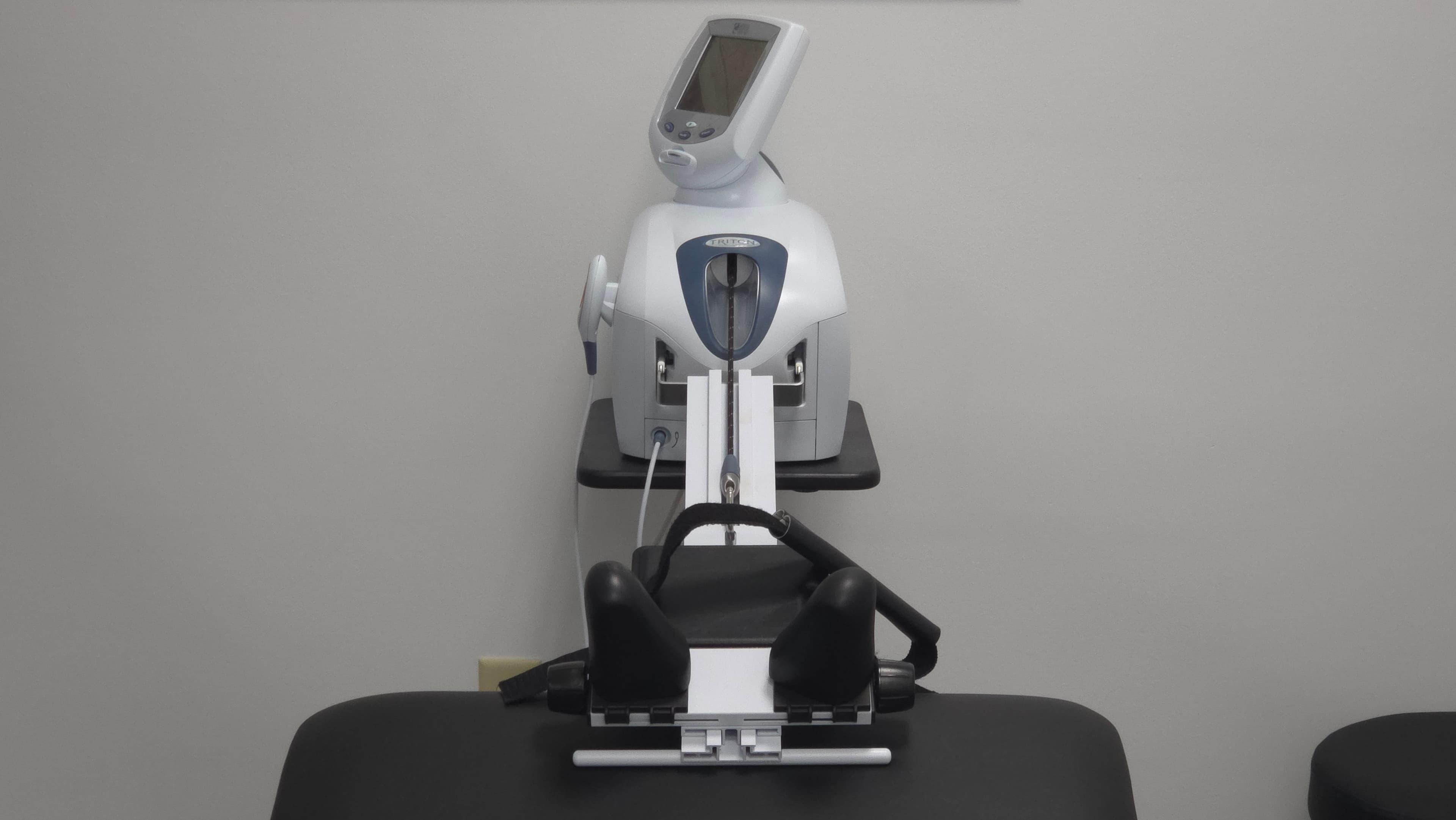
Non-Surgical Traction
Decompression
Non-surgical spinal decompression that relieves pressure on discs and nerves.
Explore serviceRelated Conditions



Ready to quiet the nerve pain and regain your balance?
Do not let burning feet, numb hands, or persistent unsteadiness keep you from enjoying your days in Fishers. Schedule a thorough clinical evaluation today to identify the contributors to your nerve pain and start a practical plan for recovery.